Earth, Moon, and the Solar System
A 35-minute planetarium show of our cosmic neighbourhood for Elementary Cycle Two
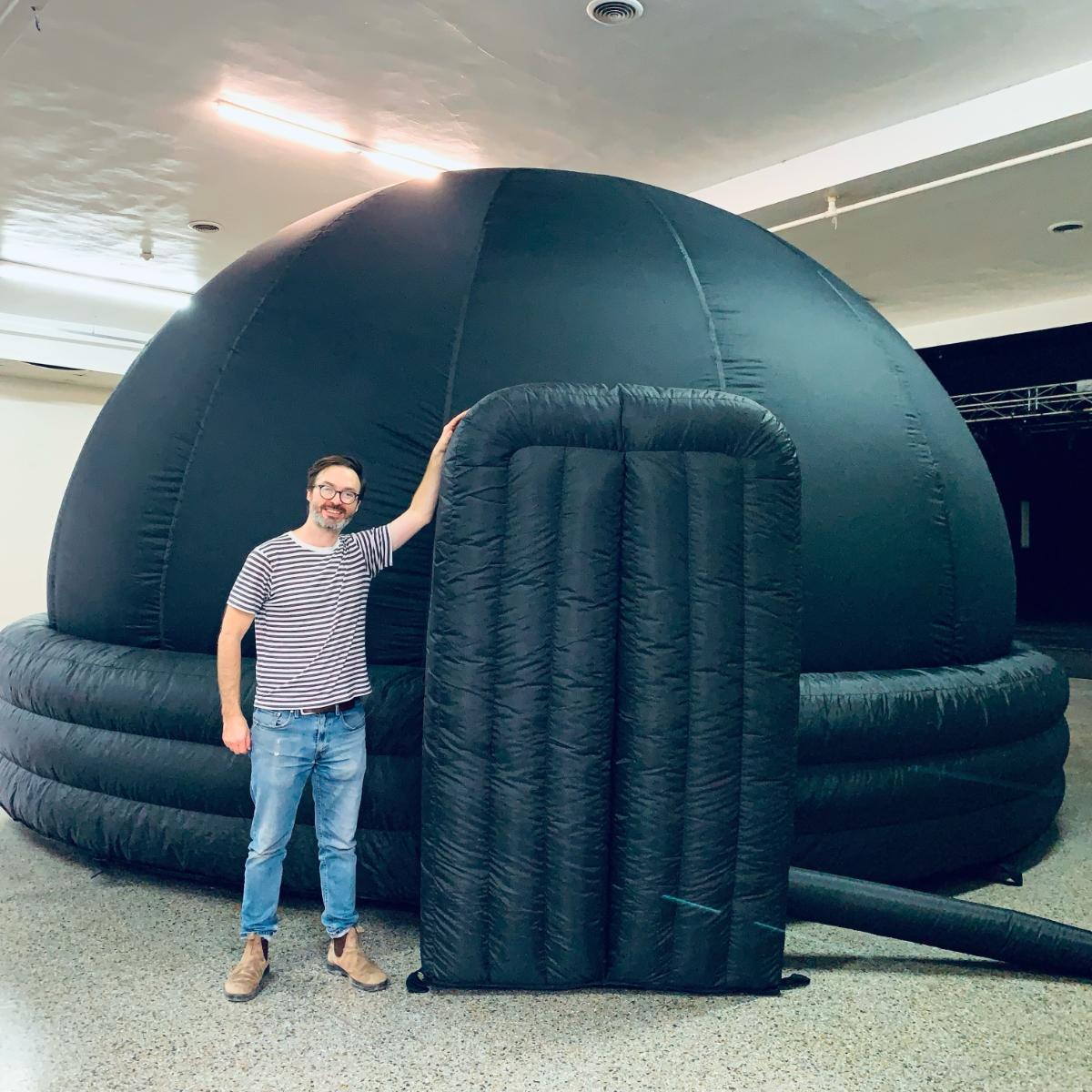
Book NowAn immersive journey of the sky and our Solar System
Adapted for Elementary Cycle Two, students will learn about the stars, the day-night cycle, the phases of the Moon, and a tour of our Solar System.
All in a 360° immersive planetarium experience that students absolutely love.
Show Outline
- students enter the dome and see a daytime sky
- the Earth rotates, the Sun sets, and the stars begin to appear
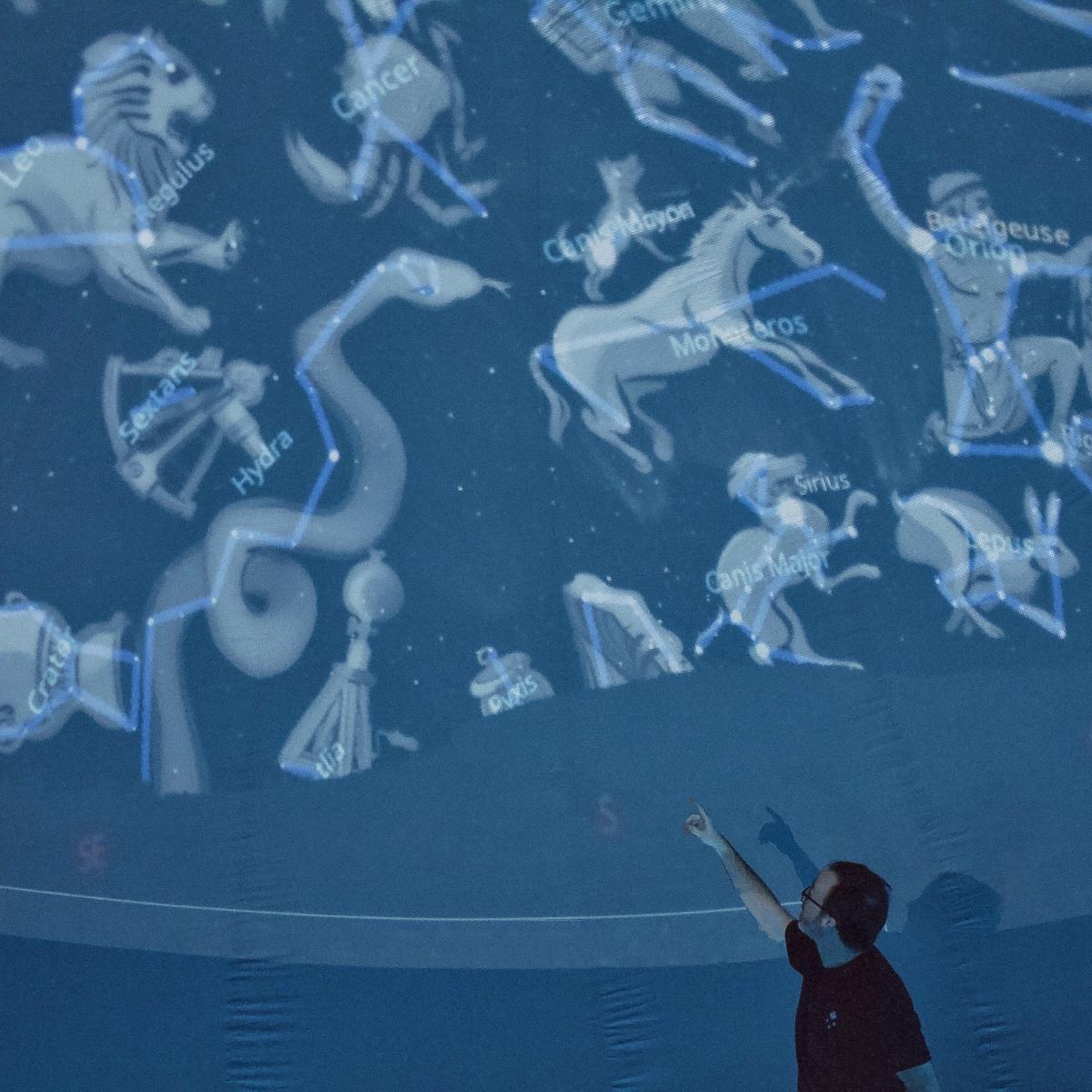
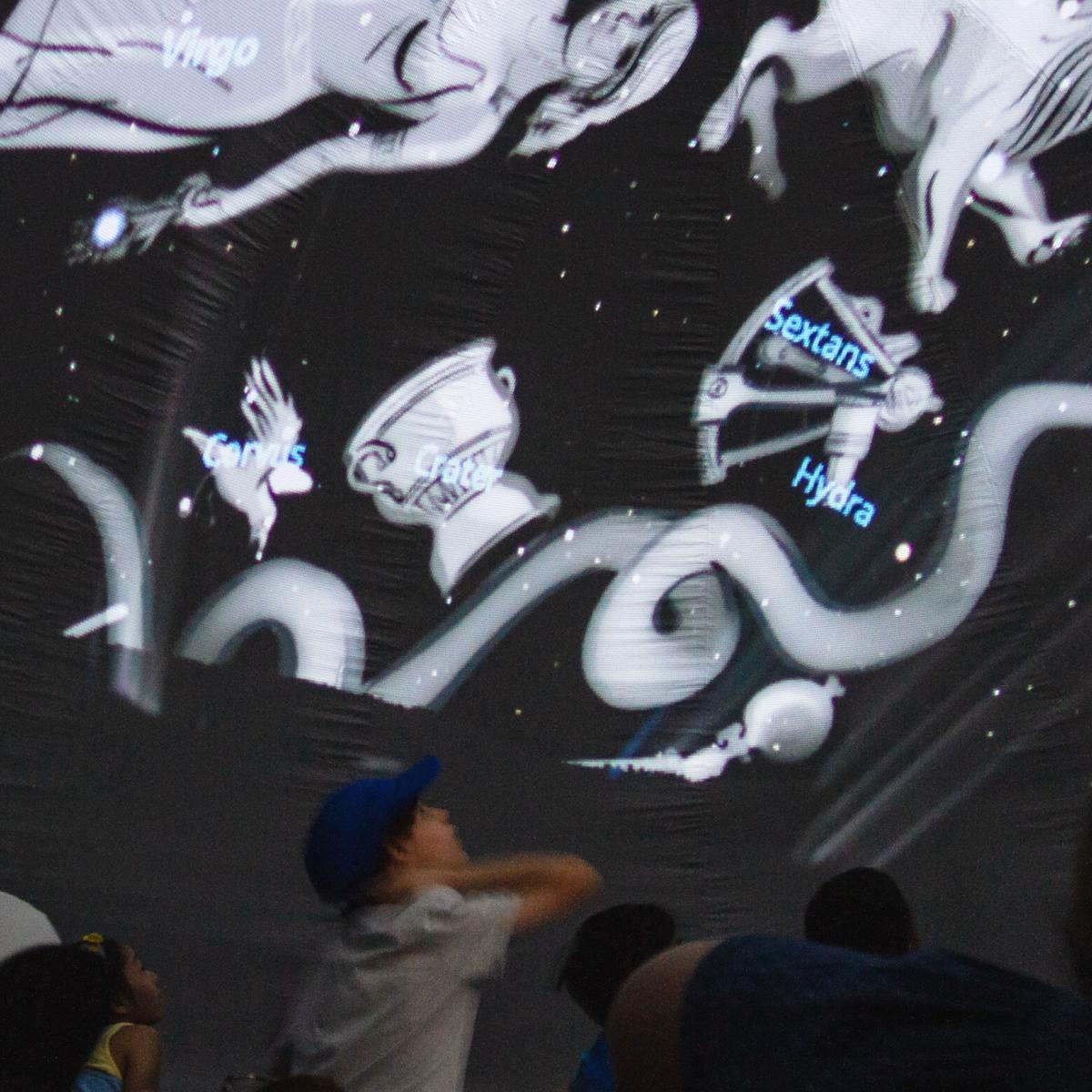
- students will see the stars appear and we'll learn about constellations
- we see the movement of the sky during the night until the Sun rises in the morning
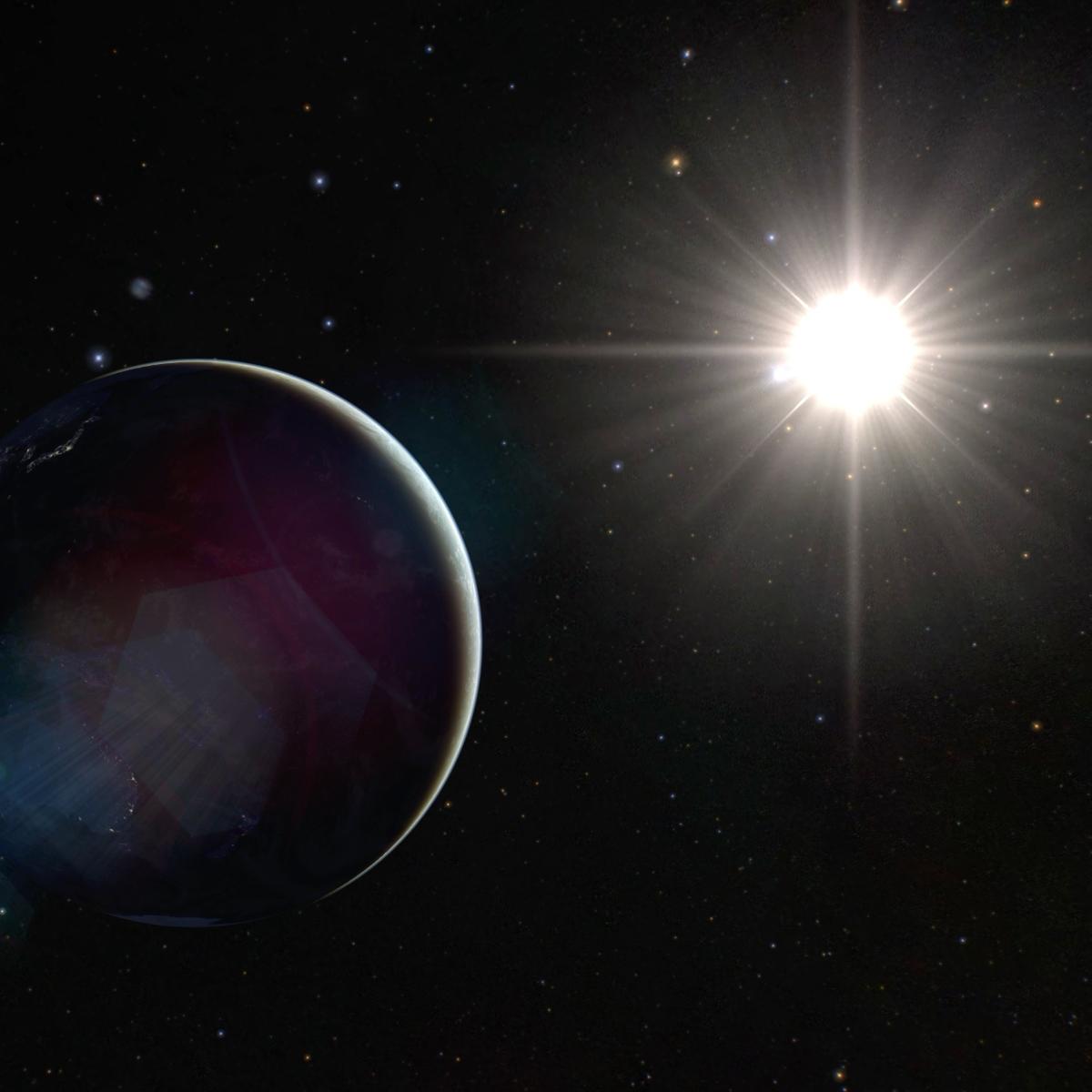
- we take a rocket up into space and see the Earth as the astronauts see it
- we'll see how the Earth rotates and creates day and night
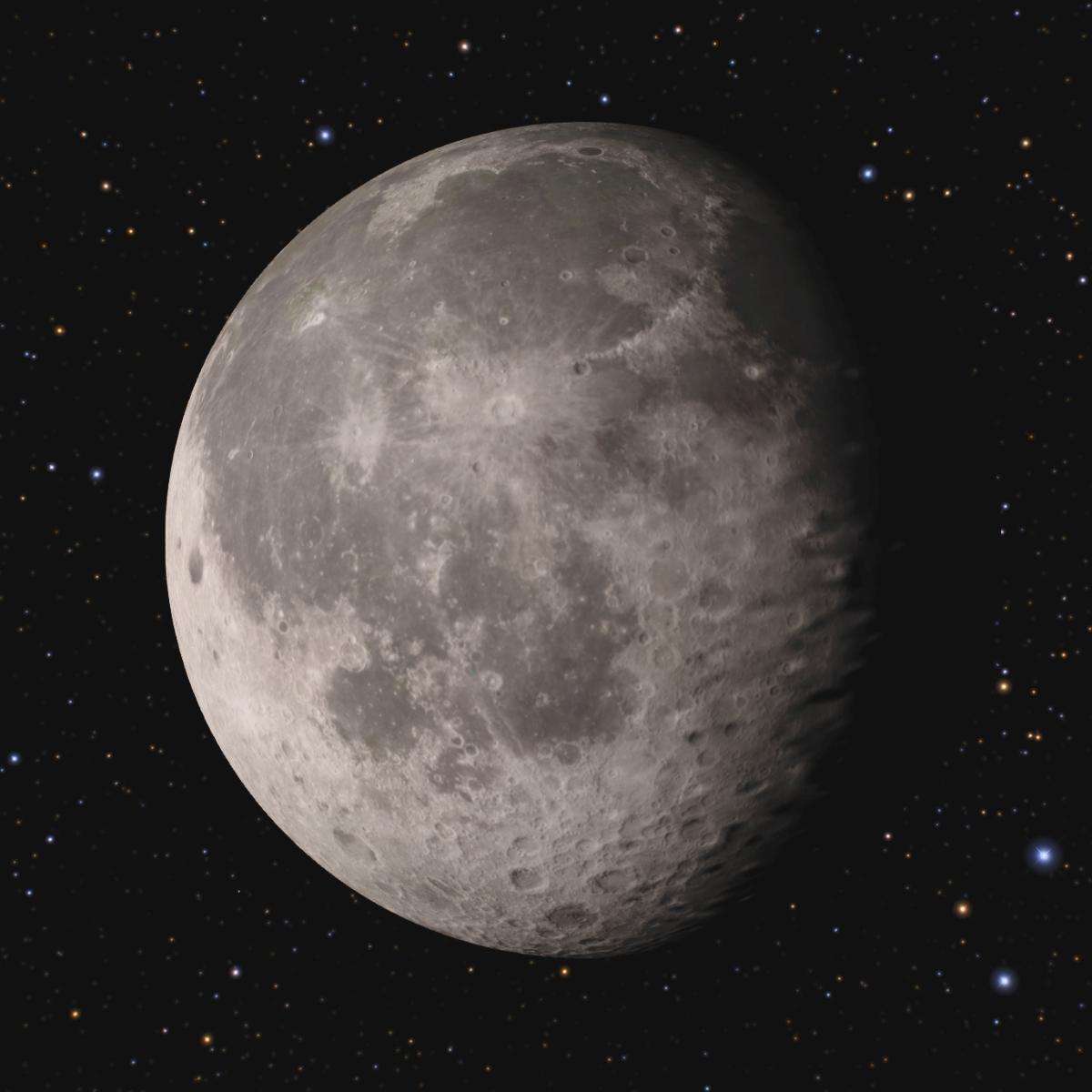
- show the phases of the Moon and why the Moon looks different over a Moon
- show how the planets all orbit the Sun
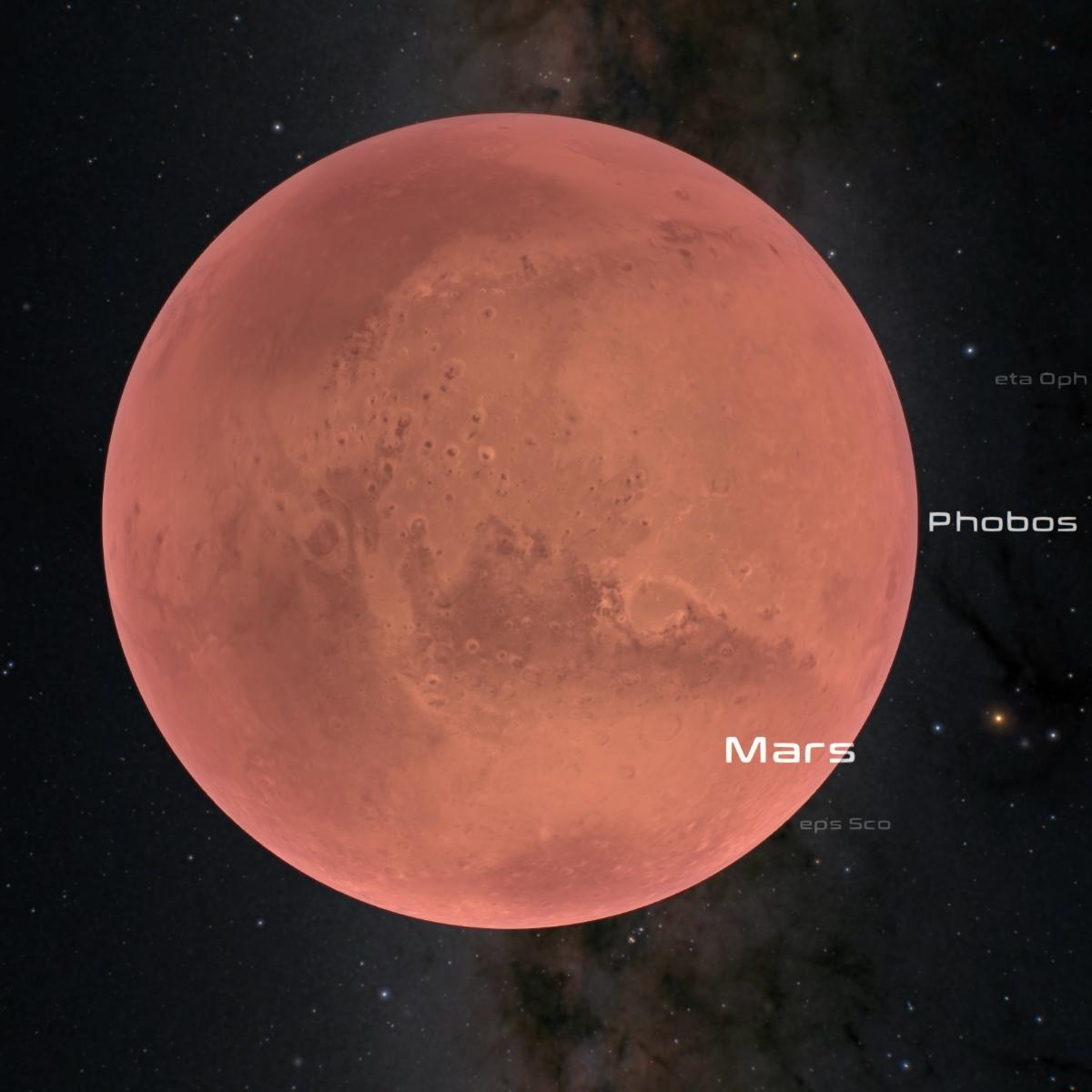
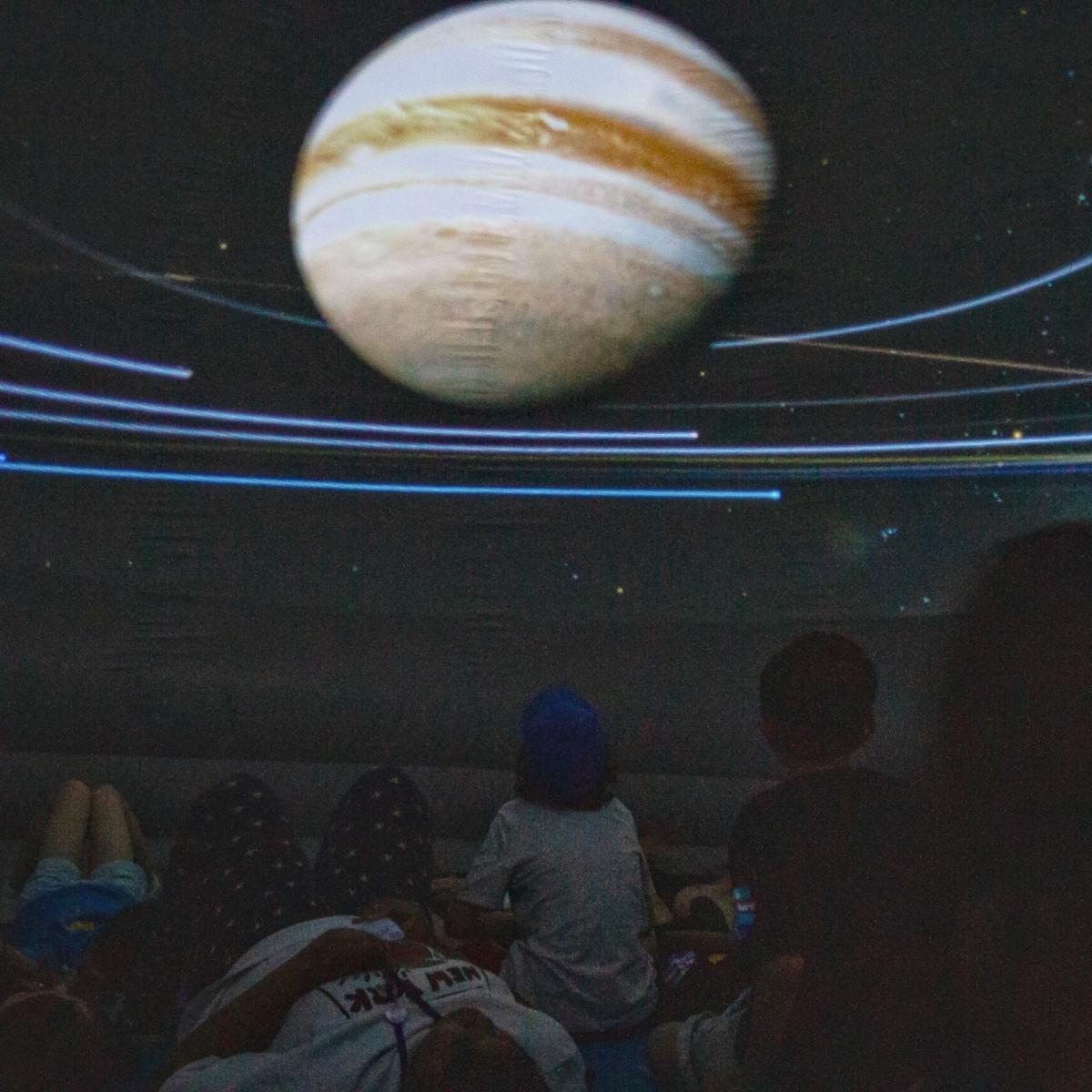
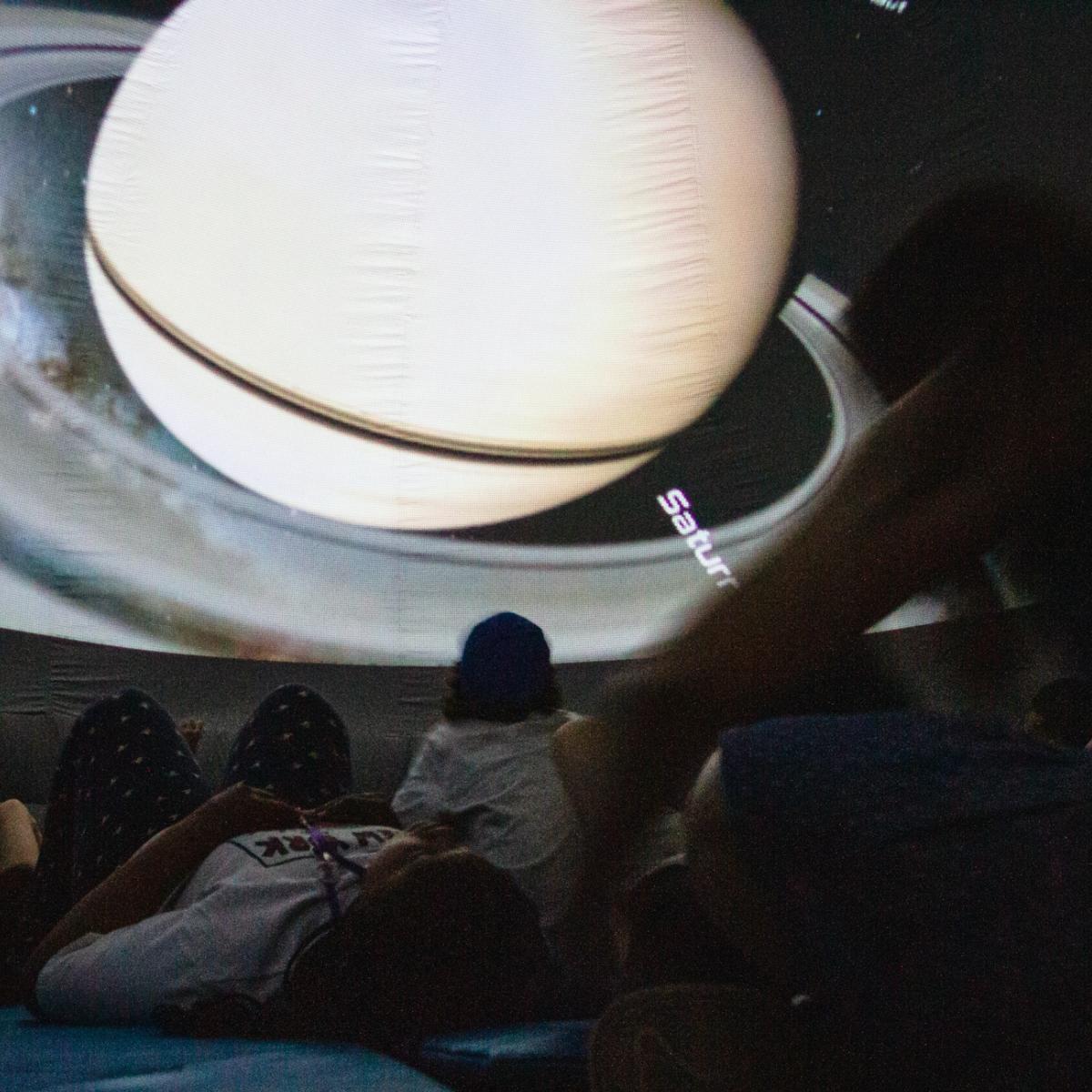
- visit Mars, Jupiter, and Saturn and describe the different between each
- we return back home to Earth
- students exit the dome
Curriculum Connections
Every Plateau Astro planetarium show is designed to connect with Québec's school curriculum.
Science and Technology
Material World
A. Matter
- 1. Properties and characteristics of matter
- e. Describes the shape, colour and texture of an object or a substance
- Distinguishes between the mass (quantity of matter) of an object and its weight (gravitational force acting on the mass)
B. Energy
- 1. Forms of energy
- a. Describes different forms of energy (mechanical, electrical, light, chemical, heat, sound, nuclear)
- b. Identifies sources of energy in his/her environment (e.g. moving water, chemical reaction in a battery, sunlight)
Earth and Space
B. Energy
- 1. Sources of energy
- a. Explains that the sun is the main source of energy on Earth
C. Forces and motion
- 1. Rotation of the Earth
- a. Associates the cycle of day and night with the rotation of the Earth
D. Systems and interaction
- 2. System involving the sun, the Earth and the moon
- b. Describes the rotational and revolutionary motion of the Earth and the moon
- c. Illustrates the phases of the lunar cycle (full moon, new moon, first and last quarters)
- d. Illustrates the formation of eclipses (lunar, solar)
Book Now
Fill out the form below and I'll email you back shortly to confirm details. Thank you!